“Here, we explore the historic ₹167 crore sale of Raja Ravi Varma’s ‘Yashoda and Krishna’ to Cyrus Poonawalla—indeed, a landmark moment for the Indian art market.”
Raja Ravi Varma’s ‘Yashoda & Krishna’ Makes ₹167 Crore History
Currently, the Indian art market stands at an all-time high. In fact, a masterpiece by the renowned Raja Ravi Varma sold this week at a Saffronart auction in Mumbai for an incredible ₹167.2 crore ($17.9 million), marking an event that will go down in cultural history.
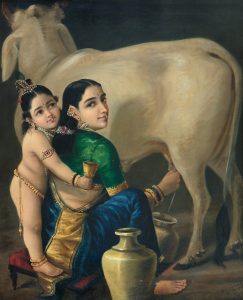
Furthermore, the painting Yashoda and Krishna has officially surpassed the previous ₹118 crore record held by M.F. Husain’s Untitled (Gram Yatra), becoming the most expensive Indian artwork ever sold at auction.
The Masterpiece: Yashoda and Krishna (1890s)
In the 1890s, at the height of his career, Raja Ravi Varma created the 35 by 28.25-inch painting as a profound exploration of motherly love, or Vatsalya Rasa. Moreover, it depicts a tender domestic scene from Hindu mythology, where Yashoda milks a cow while baby Krishna reaches behind her for a goblet of milk.
Art historians often call the painting the ‘Mona Lisa of Indian Art’ and celebrate it for several reasons
- The Synthesis of Styles: Indeed, Varma pioneered the fusion of European academic realism with Indian iconography. Furthermore, the use of chiaroscuro (the play of light and shadow) gives the divine figures a tactile, human presence.
- Intricate Detail: From the shimmering texture of Yashoda’s ultramarine blue sari to the glint of her visiri-murugu (fan-shaped earrings), the work showcases Varma’s obsession with realism and material culture.
- Sacred Domesticity: By rendering gods in a human, relatable setting, Varma bridged the gap between the divine and the devotee—a hallmark of his enduring legacy.
The Buyer: A National Treasure Stays Home
The painting was acquired by Dr. Cyrus S. Poonawalla, the billionaire industrialist and founder of the Serum Institute of India.
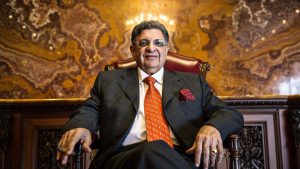
Dr. Cyrus S. Poonawalla, the prominent collector and industrialist who secured the painting for his private collection.
The Indian government prohibits the export of Raja Ravi Varma’s artwork because it has designated him as one of the nine ‘National Art Treasure’ artists. Dr. Poonawalla conveyed his sense of accountability in a statement after the auction:
“I feel privileged to acquire, preserve, and care for this iconic painting. This national treasure deserves periodic public viewing, and I will strive to facilitate it.”
Why This Sale Matters for Global Investors
This auction represents a change in how Indian classical art is viewed worldwide, not merely a price tag. Modernists and their contemporaries dominated the Indian art market for many years. The intense competition for Yashoda and Krishna, however, demonstrates that collectors are appreciating the “Old Masters” of the Indian subcontinent more and more.
Saffronart co-founder Minal Vazirani stated that the transaction “reaffirms the timeless value and emotional resonance of Indian art.”
The Legacy of the “Father of Modern Indian Art”
Raja Ravi Varma, who was born in Kerala’s Kilimanoor Palace in 1848, transformed India’s self-perception. Prior to his time, religious art was frequently two-dimensional and metaphorical. Varma gave the gods human-like faces.
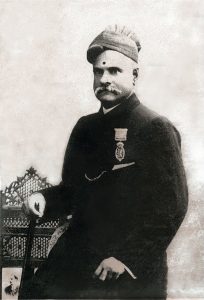
He ensured that beautiful art was accessible to all Indian households, not just the royal family, by producing large quantities of reasonably priced prints using his lithographic press.
Iconic Works by Raja Ravi Varma
In addition to Yashoda and Krishna, Varma is the creator of some of the most iconic images in Indian history, such as Shakuntala and Hamsa Damayanti.
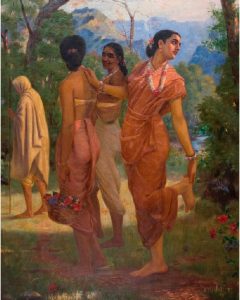
Masterworks of an Era: Varma’s fabled depictions of classical beauty and Indian mythology.
Nearly 120 years after his passing, Varma is still defining the country’s visual lexicon today. This unprecedented transaction is evidence of a man who painted more than just images—he portrayed a civilization’s spirit.

Proudly powered by Dream Art Studio